
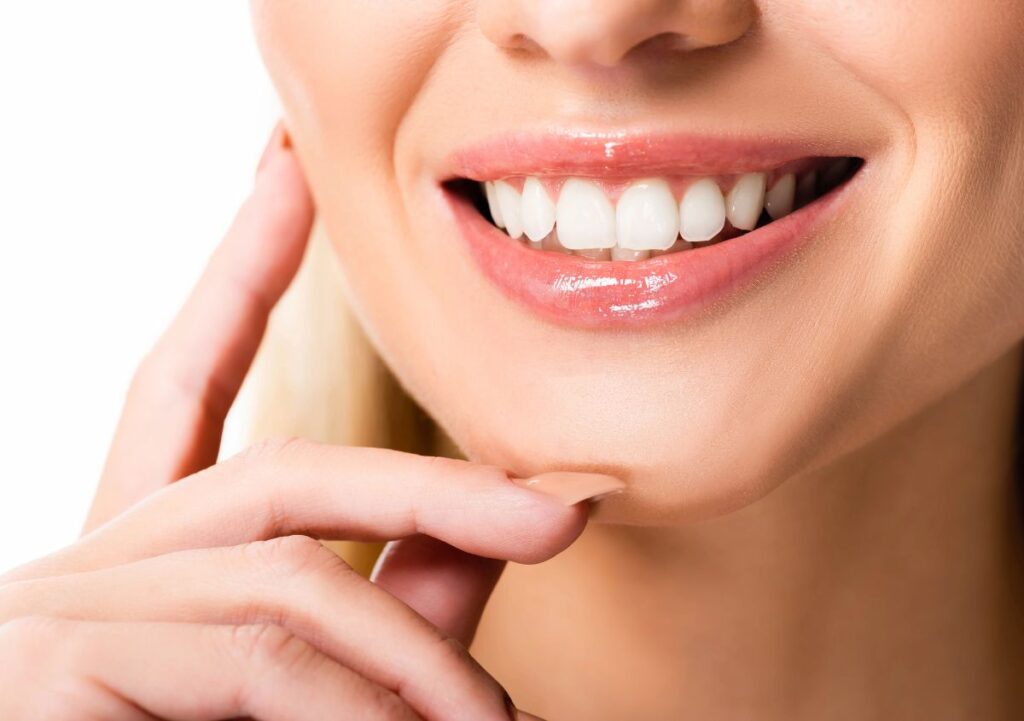
Porcelain veneers are a popular cosmetic dentistry option for transforming a smile, but it is common for patients to have concerns about how veneers might affect their underlying teeth. At Glow Dental Co. in Austin, Texas, Dr. Kelsi Lewis helps patients make informed decisions by answering their questions clearly and honestly. If you have been considering veneers but want to know what they mean for the health and structure of your natural teeth, these frequently asked questions can help.
Will getting veneers require removing a lot of my natural teeth?
Porcelain veneers are very thin shells that are bonded to the front of your teeth. To make room for them and ensure a seamless fit, Dr. Lewis will remove a small amount of enamel from the surface of each tooth receiving a veneer. This process is minimal compared to other restorations, and it is carefully planned to preserve as much natural tooth structure as possible while still achieving a beautiful result.
Will my teeth be more sensitive after getting veneers?
Some patients notice mild sensitivity to hot or cold foods and beverages shortly after their veneers are placed. This happens because a small amount of enamel is removed during the preparation stage, which can temporarily expose the underlying tooth layers. However, this sensitivity typically fades within a few days to weeks, and once the veneers are bonded, they provide an added layer of protection for your teeth.
Do veneers protect my teeth from cavities?
While veneers cover the front surface of your teeth, the natural tooth structure is still present behind them. This means you can still develop cavities in areas not covered by the veneer, such as the sides and back of the tooth. Good oral hygiene, including daily brushing, flossing, and regular checkups, is essential to keep your veneers and natural teeth healthy.
Will my teeth be permanently altered after getting veneers?
Yes, the process of placing veneers is considered irreversible. Because a thin layer of enamel is removed to make space for the veneer, your teeth will always need some form of restoration once they have been prepared. However, with the right maintenance, porcelain veneers can last 10 to 15 years or longer, making them a long-term investment in your smile.
Can veneers help strengthen weak teeth?
Veneers are primarily designed for cosmetic enhancement and are not a replacement for crowns or other restorative treatments meant to strengthen teeth. While they add a thin layer of material to the front of the tooth, they are best suited for correcting issues such as discoloration, small chips, or uneven shapes rather than reinforcing teeth that are structurally compromised.
If you are curious about porcelain veneers and want to know how they might affect your natural teeth, Dr. Kelsi Lewis and her team at Glow Dental Co. in Austin, TX, are here to guide you every step of the way. Call to schedule a consultation and find out whether veneers are the right choice for your smile.